
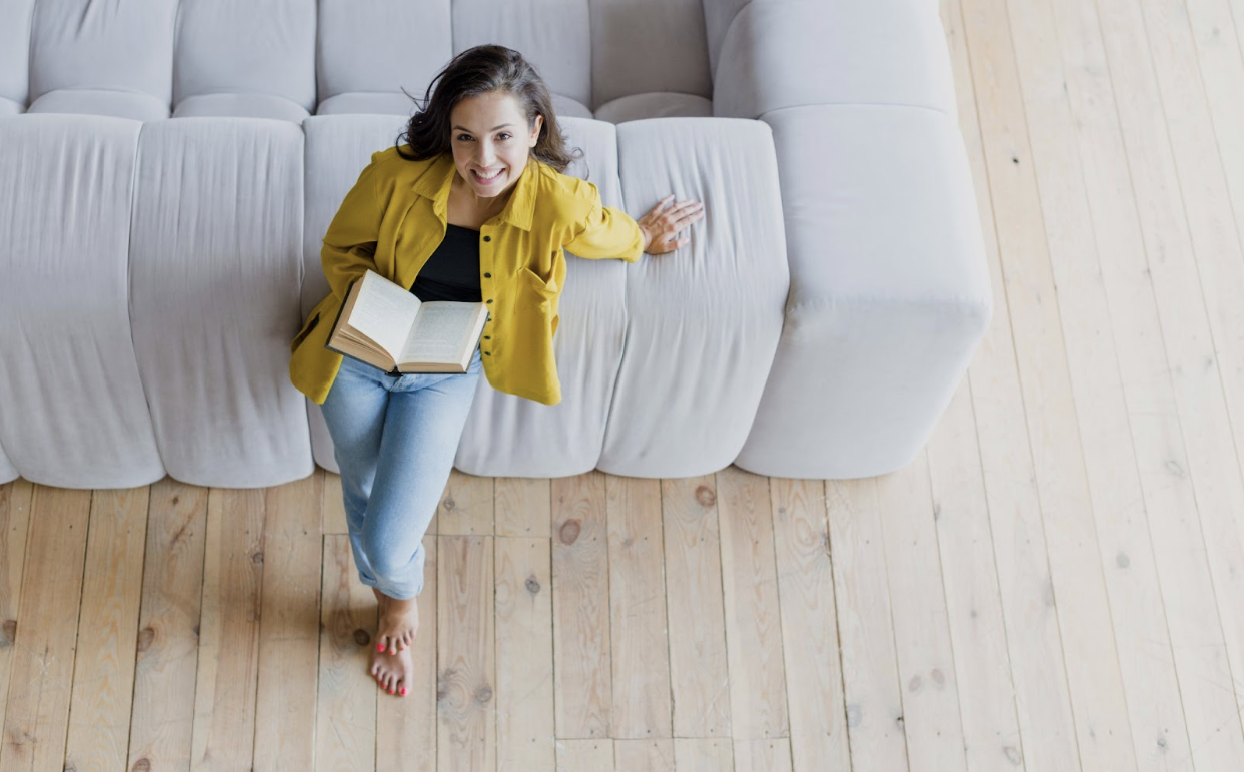
Timber flooring has long been admired for its natural beauty, durability, and timeless appeal in Australian homes. But as more homeowners start prioritising sustainability, many are wondering if timber floors are still the right choice. Or is there an eco-friendly alternative that doesn’t compromise on aesthetics or performance?
Engineered timber flooring was made simply to satisfy this concern. Marketed as a greener, more stable alternative to solid hardwood, it has gained significant attention in recent years. But how sustainable is it really? And is it truly the best choice for your home, your lifestyle, and the environment?
Learn more about engineered timber flooring with our experts at Quality Timber Flooring below.
What is Engineered Flooring?
Engineered flooring looks like solid timber, feels like timber underfoot, and comes in many of the same finishes and species. But under the surface, its construction is quite different. This very structure makes it more dimensionally stable, cost-effective, and, in many cases, more sustainable.
Engineered timber flooring is composed of multiple layers. The top layer, known as the veneer or wear layer, is made of real hardwood, usually around 3–6mm thick. This is the part you see and walk on, and it can be made from popular Australian species like Blackbutt, Spotted Gum, or European Oaks.
Underneath the veneer lies the core, which is typically made from high-density plywood, cross-laminated timber, or recycled wood fibres. These inner layers are laid in opposing grain directions to increase structural strength and reduce movement caused by humidity and temperature fluctuations.
Is Engineered Flooring Sustainable?
Speaking of material sustainability, we have to consider several factors such as how it’s sourced, manufactured, transported, installed, maintained, and ultimately disposed of. When it comes to engineered flooring, the sustainability story is multi-layered, much like the product itself.
Here’s how:
- Resource efficiency and timber use
One of the strongest sustainability advantages of engineered flooring lies in its efficient use of hardwood.
Traditional solid timber planks require large volumes of slow-growing hardwood species. In contrast, engineered boards use only a thin veneer of hardwood on the surface, supported by layers of fast-growing, plantation timber or recycled wood products below. This means fewer old-growth trees are harvested to produce the same square meterage of flooring.
- Responsible sourcing and certifications
Reputable Australian flooring brands now offer engineered products that carry internationally recognised certifications such as:
- FSC® (Forest Stewardship Council) – ensures that timber comes from responsibly managed forests that provide environmental, social, and economic benefits.
- PEFC (Programme for the Endorsement of Forest Certification) – promotes sustainable forest management through independent third-party certification.
- Low-VOC finishes and adhesives – help maintain indoor air quality and reduce environmental impact during production and installation.
- Lower waste and carbon footprint
The manufacturing process of engineered flooring typically produces less wood waste than solid timber, especially when cross-laminated or multi-ply cores are made from by-products or plantation species like eucalyptus or poplar.
Engineered flooring can also have a lower embodied carbon footprint than other flooring types when sustainably sourced and produced. Natural wood stores carbon throughout its life cycle, and using every part of the log, as engineered flooring tends to do, improves carbon efficiency.
Additionally, engineered timber is lighter and easier to transport, which can translate to lower transport emissions.
- Longevity and lifespan
High-quality engineered flooring is designed to last decades. Most premium products come with wear layers thick enough (3–6mm) to be sanded and refinished at least once, sometimes twice, depending on the product. This means homeowners won’t need to replace the floor prematurely due to wear and tear.
And when its life does come to an end, engineered flooring can be recycled or repurposed, given that it’s made without harmful adhesives or synthetic coatings.
How to Choose a Sustainable Engineered Timber Floor
If you’re committed to reducing your environmental footprint, here’s what to look for when choosing an engineered floor that aligns with sustainable values.
- Check for timber origin and certifications
Always ask where the hardwood veneer and core timber come from. Look for products that are:
- FSC® (Forest Stewardship Council) or PEFC-certified, which ensures the wood is harvested from responsibly managed forests.
- Australian-grown or sourced, if possible, to reduce transportation emissions and support local forestry initiatives.
- Backed by a chain-of-custody documentation, which traces the timber from forest to floor.
Don’t be afraid to request certification documentation from your supplier. Trustworthy businesses like us at Quality Flooring will gladly provide it.
- Opt for low-VOC finishes and adhesives
Volatile Organic Compounds (VOCs) are harmful gases emitted by many synthetic coatings, glues, and finishes. Over time, these chemicals can impact indoor air quality and contribute to atmospheric pollution.
When shopping for engineered flooring, look for:
- Low-VOC or zero-VOC finishes, healthier for you and better for the planet.
- Products that meet standards like GreenTag, Green Star, or Eurofins Indoor Air Comfort Gold.
These options may cost slightly more up front but offer greater peace of mind, especially for families with children, pets, or respiratory sensitivities.
- Choose a durable construction and refinishable wear layer
Durability plays a major role in reducing material turnover and landfill waste.
Look for engineered boards with:
- A minimum 3mm hardwood veneer, which allows for at least one sanding and refinishing cycle.
- A stable core (such as multi-ply or cross-laminated timber) that resists warping in Australia’s varied climates.
- Warranties of 20 years or more, a good indicator of product quality.
The longer your floor lasts, the less impact you have on forests, supply chains, and landfill systems over time.
- Work with transparent, sustainability-minded suppliers
Partner with a supplier who prioritises ethical sourcing and provides clear, detailed product information. It would also be great if they have a track record of environmental commitment in their operations.
Make Smarter, More Sustainable Flooring Choice
Engineered flooring offers an impressive balance between style, performance, and environmental responsibility. With its resource-efficient construction, long-term durability, and lower impact sourcing, it’s clear why more Australians are choosing engineered timber as their sustainable flooring solution.
At Quality Flooring, we specialise in high-grade engineered timber options that are both beautiful and built to last. Our team is committed to helping you find flooring that aligns with your eco-values, without compromising on design or quality. Contact us today for expert guidance and premium engineered solutions tailored to your project.